Food Science Articles
Deep dives into the science behind extraordinary flavors
 articles
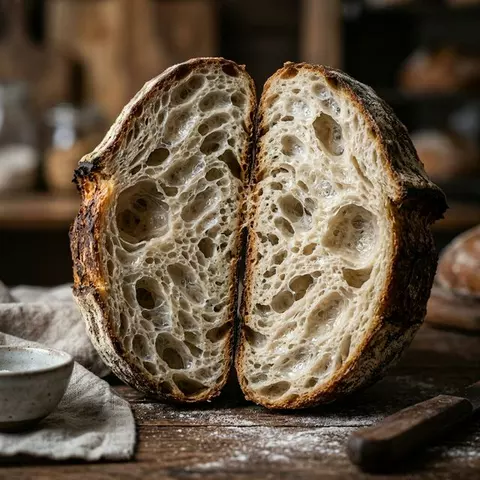
Hydration Mechanics: The Chemistry of Sourdough Crumb Structure
Explore the protein chemistry behind a beautiful, airy artisan bread. Learn how extreme water hydration directly manipulates gluten extensibility allowing massive steam expansion.
 articles
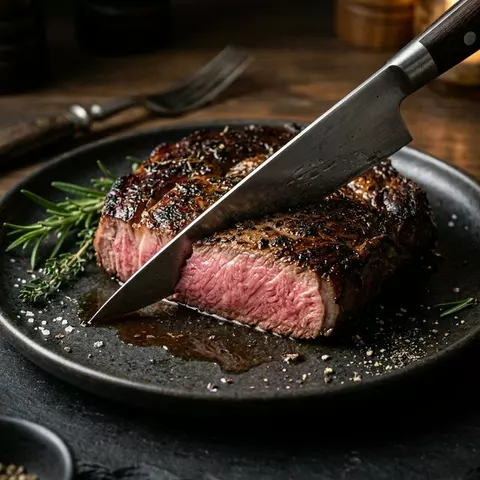
Enzymatic Tenderization: The Thermodynamics of Sous-Vide Meat
Sous-vide isn't just about edge-to-edge pink meat. Understand how sustained precise thermal control accelerates enzymatic breakdown via calpains for unprecedented tenderness.
 articles
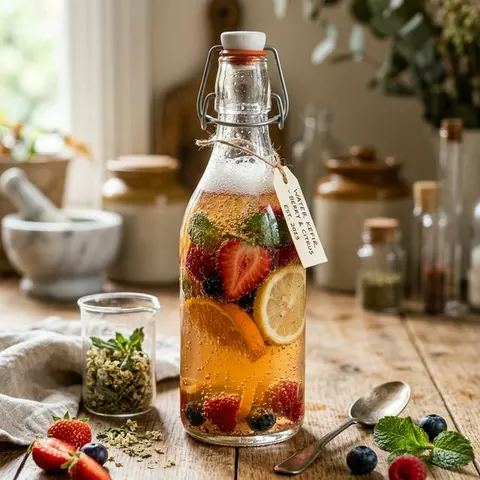
The Microbiology of Water Kefir: Perfecting Secondary Carbonation
Dive into the symbiotic microbiology of water kefir and learn the precise physics of bottle-conditioning to achieve a perfect, non-explosive sparkling fruit carbonation.
 articles
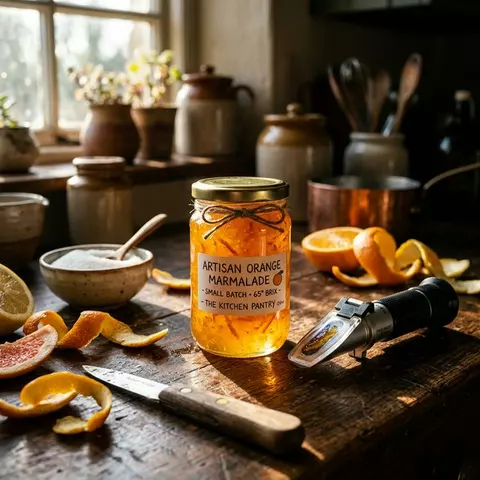
Mastering Marmalade: Understanding Brix, Sugar, and Acid Ratios
Take the guesswork out of preserving. Learn how to use a refractometer to measure Brix degrees and how precise acid ratios ensure a perfect pectin set in artisanal marmalades.
 articles
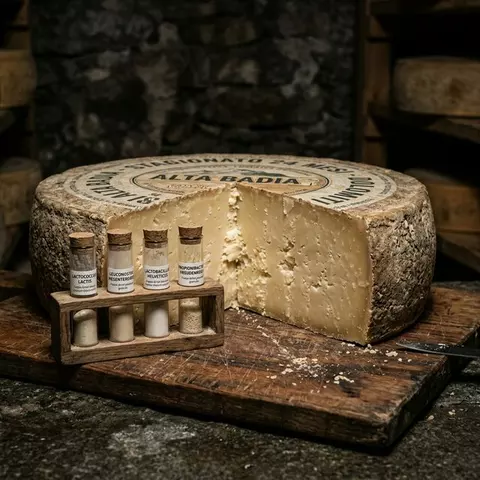
The Microbiology of Cheesemaking: Mesophilic vs. Thermophilic Cultures
Dive deep into the precise thermodynamics of cheesemaking, exploring the chemical boundaries of mesophilic and thermophilic microbial cultures.
 articles
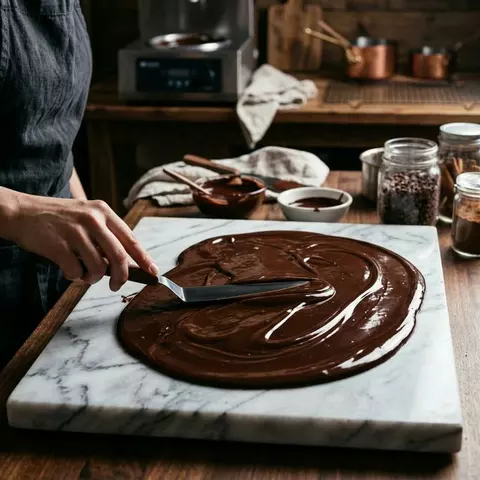
The Physics of Tempering Chocolate: Mastering Cocoa Butter Crystals
Tempering chocolate isn't cooking; it's material science. Dive into the thermodynamics of cocoa butter and learn how to isolate Form V crystals for a perfect glossy snap.
 articles
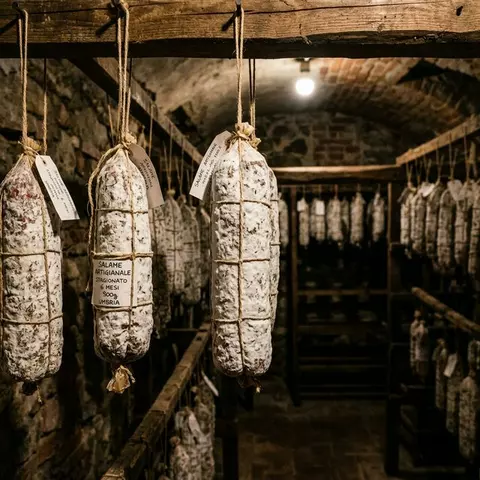
Airflow Dynamics in the Curing Chamber: Preventing Case Hardening
A deep dive into the fluid dynamics of a curing chamber. Managing relative humidity and velocity to prevent fatal 'case hardening' and ensure safe capillary moisture transfer.
 articles
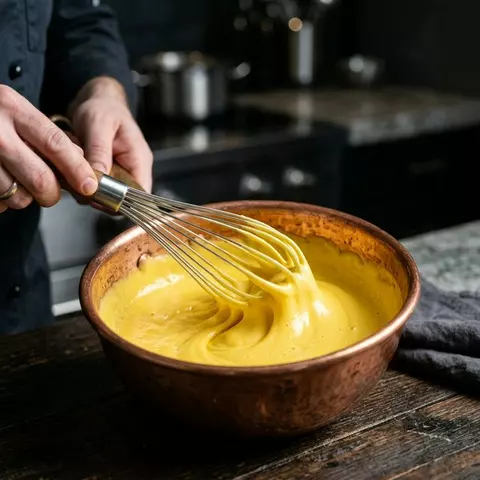
The Physics of Emulsions: Surfactants and Delicate Sauces
Break down the molecular interactions of lecithin. Learn how amphiphilic surfactants and sheer mechanical force bend oil and water to your will for perfectly glossy emulsions.
 articles
Culinary Ratios vs Standard Recipes: The Mathematics of Baking
Discover why mastering fundamental ratios by weight (like Ruhlman's 5:3 bread dough) provides more freedom and reliability than blindly following traditional cups and spoons.
 articles
Kitchen Myths Busted: The Physics of Searing Meat
We dispel the myth that searing 'seals in juices' and explore the thermodynamics and chemistry of the Maillard Reaction that makes a perfectly seared steak so irresistible.
 articles
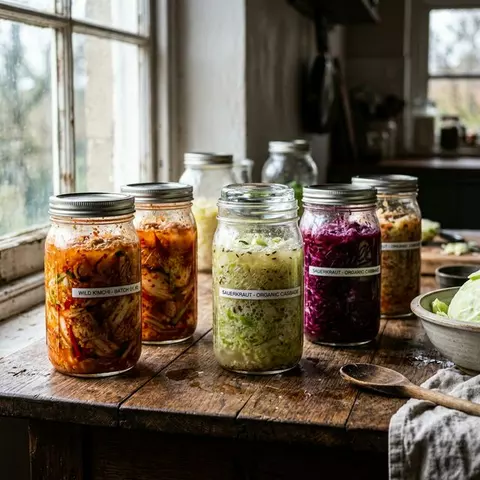
The Art of Wild Fermentation: Capturing Terroir
Harnessing wild yeast and lactobacillus isn't just about preservation—it's about capturing the unique, hyper-local microbial terroir of your own kitchen.
 articles
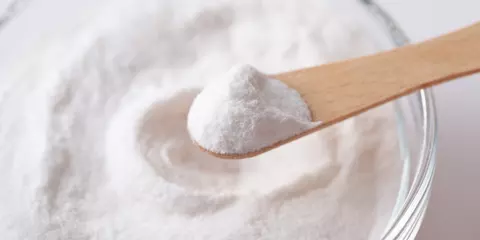
Nitrates and Nitrites – What are they, do we need them and what’s the difference?
In the intricate world of food chemistry, nitrates and nitrites hold a special place. These compounds are not only prevalent in various foods but also play pivotal roles in food preservation and human health. Understanding what they are, their necessity in our diet, and the Read more
 articles
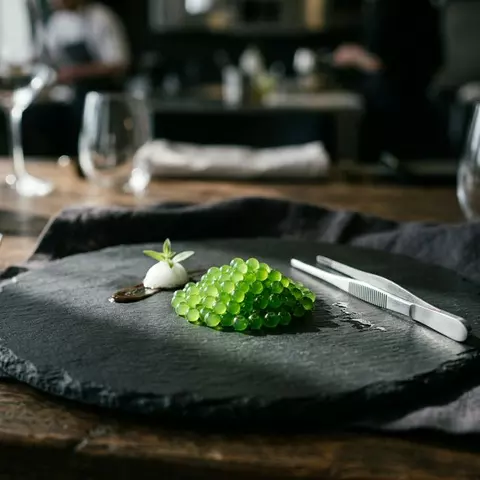
Molecular Gastronomy Basics: Hydrocolloids at Home
Molecular gastronomy isn't just for Michelin kitchens. Learn how a basic understanding of hydrocolloids like xanthan gum can permanently fix your broken vinaigrettes.
 articles
The Chemistry of Cheesemaking: Controlling the Curd
Cheese making is pure biochemistry. Understand the exact mechanism of how acid and rennet interact to cleave casein proteins and separate the curds from the whey.
 articles
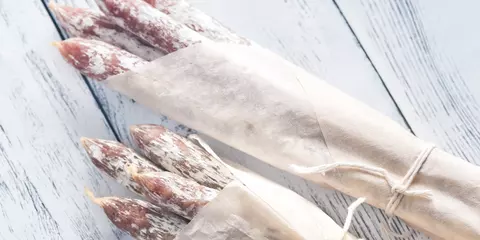
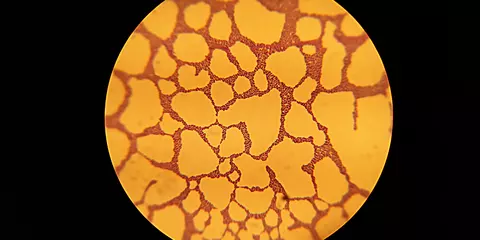
Exploring the Role of Mold in Charcuterie: Types and Benefits
Introduction: In the intricate art of charcuterie, mold is not an adversary but a cherished ally. This post aims to unravel the complexities of mold in the charcuterie process, highlighting the various types of mold, their unique roles, and the multifaceted benefits they bring to Read more
 articles
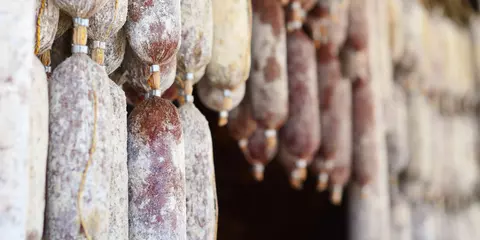
The Science of Dry-Curing: Understanding Water Activity and Microbial Safety
Introduction: Dry-curing is an age-old technique used in charcuterie to preserve and flavor meats. This process, deeply rooted in tradition, is not just an art but also a science. A key component of this science is understanding water activity and its critical role in ensuring Read more
 articles
The Critical Role of Fermentation in Salami Making: Achieving the Ideal pH for Curing
Salami, a beloved delicacy in many cultures, is much more than just a combination of meat, fat, and spices. The process of making salami is an intricate dance of chemistry and art, where fermentation plays a pivotal role. One of the crucial goals of this Read more